


Historical Background
The Centro Politécnico Superior (CPS) has long been recognized as one of Spain’s most influential engineering education centers, particularly associated with the University of Zaragoza. Originally established to unify various engineering disciplines under one umbrella, CPS emerged as a response to the growing demand for technically skilled professionals in Spain’s industrial and technological sectors. Over time, it became a powerhouse for innovation, combining academic rigor with real-world applications.
What makes CPS fascinating is how it reflects the broader transformation of European higher education. During reforms like the Bologna Process, institutions like CPS evolved structurally, integrating modern degree systems and interdisciplinary learning approaches. Even though organizational changes have occurred, the term “Centro Politécnico Superior” is still widely used by students and alumni to describe the engineering campus and its legacy.
This deep-rooted history gives CPS a unique identity. It’s not just an institution—it’s a symbol of engineering excellence that continues to influence how technical education is delivered in Spain today.
Evolution in Modern Education
Fast forward to today, and CPS has transformed into a modern educational ecosystem that blends traditional engineering principles with cutting-edge innovation. The institution has embraced digital transformation, sustainability, and interdisciplinary collaboration, making it highly relevant in the 21st century.
Modern CPS programs emphasize problem-solving, creativity, and adaptability. Instead of simply memorizing theories, students are encouraged to apply concepts in real-world scenarios. This evolution reflects a global shift toward experiential learning, where education is not confined to classrooms but extends into labs, industries, and research centers.
Location and Campus Overview
Río Ebro Campus
The CPS is located within Zaragoza’s Río Ebro Campus, a strategically positioned academic hub between Madrid and Barcelona. This location is more than just geographical convenience—it places students in one of Spain’s key industrial and logistics corridors.
Imagine studying in a place where innovation meets culture. Zaragoza offers a vibrant environment filled with historical charm and modern infrastructure, making it an ideal city for students pursuing engineering and technology.
Facilities and Infrastructure
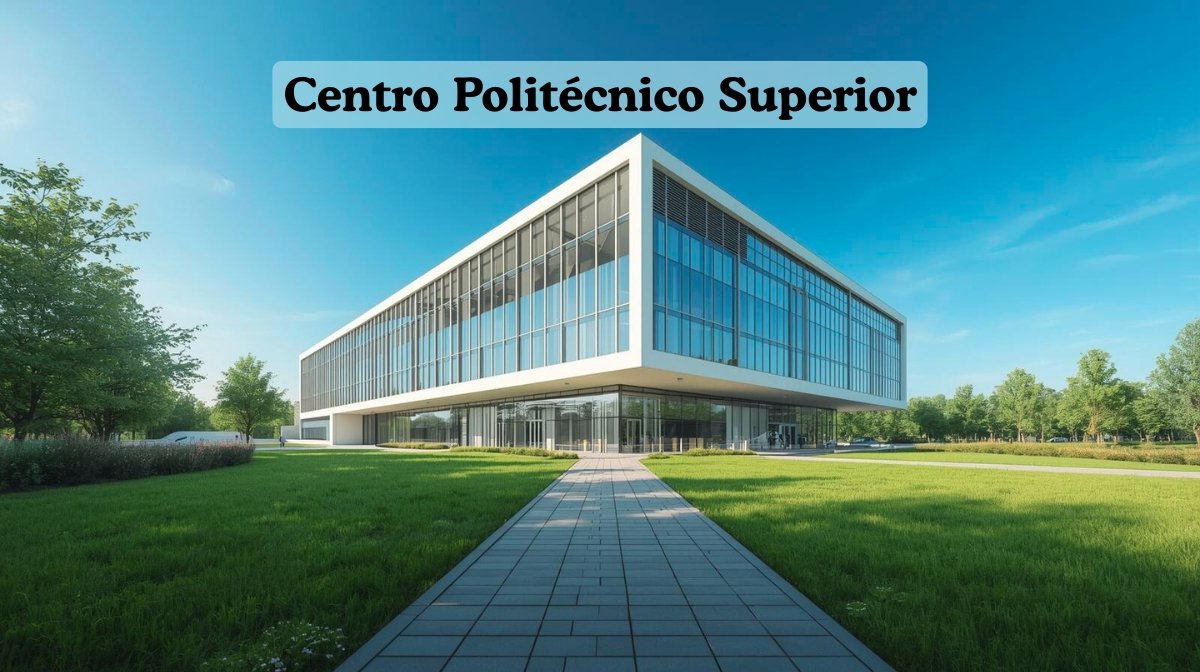
The CPS campus is designed like a mini innovation city. It features advanced laboratories, lecture halls, collaborative spaces, and research centers that encourage interaction and creativity. Buildings such as the Ada Byron and Torres Quevedo facilities are equipped with cutting-edge technology, supporting fields like robotics, computing, and industrial engineering.
Students don’t just sit in classrooms—they actively engage in projects, experiments, and collaborative work. The campus also includes libraries, cafeterias, and social spaces that foster a sense of community, making learning both productive and enjoyable.
Academic Programs at CPS
Engineering Disciplines Offered
CPS offers a wide range of engineering programs designed to meet the demands of modern industries. These include:
- Mechanical Engineering
- Electrical and Electronic Engineering
- Industrial Engineering
- Computer Science and IT
- Telecommunications Engineering
Each program is structured to provide both theoretical knowledge and practical experience. Students are exposed to real-world challenges, preparing them for dynamic careers in engineering and technology.
Teaching Methodology
The teaching approach at CPS is what truly sets it apart. Instead of relying solely on lectures, the institution adopts a hands-on learning model. Students participate in lab work, internships, and collaborative projects that simulate real industry environments.
This approach ensures that graduates are not just knowledgeable but also job-ready. They develop critical thinking skills, technical expertise, and the ability to adapt to rapidly changing technologies.
Research and Innovation Excellence
Major Research Institutes
CPS is deeply integrated with leading research institutes, particularly the Aragon Institute of Engineering Research (I3A). This institute serves as a hub for innovation, bringing together researchers, students, and industry experts to work on groundbreaking projects.
With multiple research groups and millions of euros in funding, CPS has established itself as a leader in engineering research.
Key Research Areas
Research at CPS spans a wide range of fields, including:
- Robotics and automation
- Renewable energy
- Biomedical engineering
- Artificial intelligence
- Advanced materials
In 2025 alone, CPS contributed hundreds of research publications, showcasing its commitment to advancing technology and innovation.
Industry Partnerships and Employability
Corporate Collaborations
One of CPS’s strongest advantages is its close relationship with industry. The institution collaborates with major companies, offering students internships, research opportunities, and direct exposure to real-world challenges.
These partnerships ensure that the curriculum remains aligned with industry needs, making graduates highly competitive in the job market.
Graduate Employment Statistics
Here’s where things get really interesting. According to recent data, 94% of CPS engineering graduates secure employment within six months, significantly higher than the national average of 78%.
This impressive statistic highlights the effectiveness of CPS’s practical learning approach and strong industry connections.
Student Life at CPS
Clubs and Activities
Life at CPS isn’t all about studying. Students actively participate in clubs, competitions, and extracurricular activities. From robotics teams to coding clubs, there’s something for everyone.
These activities not only enhance technical skills but also help students build networks and friendships that last a lifetime.
International Opportunities
CPS strongly promotes global exposure through programs like Erasmus. Students have the opportunity to study abroad, gaining international experience and broadening their perspectives.
This global approach prepares students for careers in an increasingly interconnected world.
Admission Requirements
Entry Criteria
Admission to CPS can be competitive, especially for popular programs like biomedical engineering. Applicants are typically required to meet specific academic scores and demonstrate strong performance in science and mathematics.
Language Requirements
Most undergraduate programs are taught in Spanish, while some postgraduate courses are available in English. International students should carefully check language requirements before applying.
Advantages of Studying at CPS
Practical Learning Approach
CPS emphasizes hands-on learning, ensuring students gain real-world experience before graduating. This approach makes a huge difference when entering the job market.
Global Recognition
Thanks to its research output and industry collaborations, CPS has gained recognition not just in Spain but internationally. Graduates often find opportunities in global companies and research institutions.
Challenges and Considerations
Competitive Programs
Some programs have high entry requirements, making admission challenging for many students.
Language Barriers
Since most courses are taught in Spanish, international students may need to learn the language to fully benefit from the programs.
Future of Centro Politécnico Superior
Technological Advancements
CPS continues to invest heavily in research and technology, focusing on areas like artificial intelligence, robotics, and sustainable engineering.
Sustainability Focus
Sustainability is becoming a core part of CPS’s mission. From renewable energy projects to eco-friendly campus initiatives, the institution is preparing students to tackle global challenges.
Conclusion
The Centro Politécnico Superior stands as a shining example of how engineering education can evolve to meet modern demands. With its strong academic foundation, cutting-edge research, and deep industry connections, CPS offers students a unique opportunity to build successful careers in engineering and technology. Whether you’re aiming to become a robotics expert, a software engineer, or a sustainability innovator, CPS provides the tools, environment, and opportunities to make it happen.
FAQs
1. What is Centro Politécnico Superior known for?
It is known for its excellence in engineering education, research innovation, and strong industry connections.
2. Where is Centro Politécnico Superior located?
It is located in Zaragoza, Spain, within the Río Ebro Campus.
3. Are courses taught in English at CPS?
Most undergraduate programs are in Spanish, but some postgraduate courses are available in English.
4. What is the employment rate of CPS graduates?
Around 94% of graduates secure jobs within six months of graduation.
5. Is CPS good for international students?
Yes, especially for those interested in engineering and willing to adapt to Spanish language requirements.
