
Definition and Core Purpose
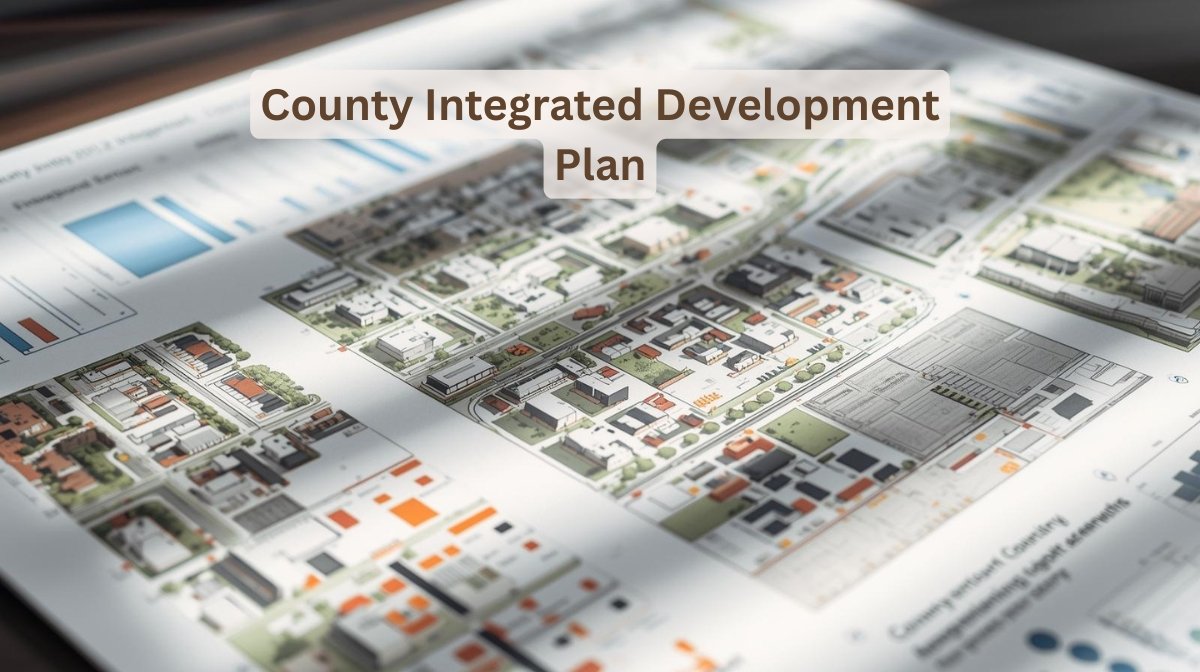
A County Integrated Development Plan (CIDP) is essentially a roadmap that guides the development priorities of a county over a specific period, usually five years. Think of it like a blueprint for growth—it outlines where a county is now, where it wancounty integrated development plants to go, and exactly how it plans to get there. Governments use CIDPs to align resources, policies, and programs toward achieving sustainable and balanced development across all sectors.
What makes a CIDP stand out is its “integrated” nature. Instead of planning sectors like healthcare, education, and infrastructure separately, everything is brought together into one cohesive strategy. This ensures that development efforts are not fragmented but instead support one another. For example, improving roads isn’t just about transport—it also boosts trade, healthcare access, and education outcomes.
At its core, a CIDP is about making life better for residents. It prioritizes economic growth, social well-being, and environmental sustainability while ensuring that no region or community is left behind. Without such a plan, development can become chaotic, inefficient, and uneven.
Why CIDPs Matter for Local Governance
Let’s be honest—without a structured plan, governance can easily turn reactive rather than proactive. A CIDP changes that by giving leaders a clear direction. It allows county governments to move from guesswork to data-driven decision-making.
CIDPs also enhance accountability. When goals and targets are clearly defined, it becomes easier for citizens to evaluate whether leaders are delivering on their promises. This transparency builds trust between the government and the people.
Another key benefit is coordination. Different departments often work in silos, which can lead to duplication of efforts or wasted resources. A CIDP ensures everyone is working toward the same vision. It’s like having a team where every player understands their role and the overall strategy.
Key Components of a CIDP
Economic Development Strategies
Economic growth is usually at the heart of any CIDP. Counties aim to create jobs, attract investment, and support local businesses. This could involve developing industrial zones, promoting agriculture, or boosting tourism.
A strong economic strategy doesn’t just focus on big industries—it also empowers small and medium enterprises (SMEs). After all, these businesses are often the backbone of local economies. By providing training, funding opportunities, and infrastructure, counties can create an environment where businesses thrive.
What’s interesting is how interconnected this is with other sectors. A better economy leads to improved living standards, which in turn boosts education and health outcomes. It’s a chain reaction that starts with smart planning.
Social Services Planning
A county isn’t just about roads and buildings—it’s about people. That’s why CIDPs place a strong emphasis on social services like healthcare, education, and housing.
For example, a CIDP might include plans to build new hospitals, hire more teachers, or improve sanitation systems. These initiatives directly impact quality of life and help reduce inequality.
The goal here is inclusivity. Every citizen, regardless of their background, should have access to essential services. This not only improves individual well-being but also strengthens the community as a whole.
Infrastructure and Environmental Planning
Infrastructure is the backbone of development. Roads, water systems, electricity, and digital connectivity all play a crucial role in shaping a county’s future.
But here’s the twist—modern CIDPs also prioritize environmental sustainability. Counties are now focusing on renewable energy, waste management, and climate resilience. This ensures that development today doesn’t compromise the needs of future generations.
Balancing growth with environmental protection can be tricky, but it’s absolutely essential. A well-designed CIDP finds that balance, ensuring long-term sustainability.
Objectives of a County Integrated Development Plan
Promoting Sustainable Development
Sustainability is more than just a buzzword—it’s a necessity. CIDPs aim to create development that lasts, rather than short-term fixes that fade away.
This involves careful planning, resource management, and long-term thinking. Counties must consider factors like population growth, climate change, and economic trends when setting their goals.
Sustainable development ensures that future generations inherit a county that is just as, if not more, livable than it is today. That’s the ultimate goal.
Enhancing Public Service Delivery
One of the biggest expectations people have from their local government is efficient service delivery. Whether it’s healthcare, education, or public safety, citizens want services that are reliable and accessible.
CIDPs help achieve this by setting clear targets and timelines. They also allocate resources in a way that maximizes impact. Instead of spreading resources too thin, counties can focus on areas that need the most attention.
The result? Better services, happier citizens, and stronger communities.
CIDP Planning Process Explained
Stakeholder Engagement
A CIDP isn’t created in isolation—it’s a collaborative effort. Governments involve various stakeholders, including community members, businesses, and civil society organizations.
This participatory approach ensures that the plan reflects the real needs and priorities of the people. After all, who knows a community better than the people who live there?
Engagement also fosters a sense of ownership. When people feel heard, they’re more likely to support and participate in development initiatives.
Data Collection and Analysis
Good decisions are based on good data. Counties collect and analyze information on demographics, economic activities, and infrastructure needs.
This data-driven approach helps identify gaps and opportunities. For example, if data shows a shortage of healthcare facilities in a certain area, the CIDP can prioritize building hospitals there.
It’s all about making informed choices rather than relying on assumptions.
Implementation and Monitoring
Planning is just the beginning—execution is where the real work happens. CIDPs include detailed implementation plans, outlining who does what and when.
Monitoring is equally important. Counties track progress and make adjustments as needed. This ensures that the plan stays on track and adapts to changing circumstances.
Benefits of a County Integrated Development Plan
Improved Resource Allocation
Resources are always limited, so they need to be used wisely. A CIDP helps prioritize projects and allocate funds where they will have the greatest impact.
This reduces waste and ensures that development efforts are efficient and effective.
Transparency and Accountability
When plans and budgets are clearly outlined, it becomes easier for citizens to hold leaders accountable. This transparency builds trust and encourages good governance.
Challenges in Implementing CIDPs
Funding Limitations
Let’s face it—money is often the biggest constraint. Even the best plans can struggle without adequate funding.
Counties need to explore alternative financing options, such as public-private partnerships, to overcome this challenge.
Political Interference
Politics can sometimes derail development plans. Changes in leadership or conflicting interests can affect implementation.
Strong institutions and clear policies are essential to keep CIDPs on track.
CIDP vs Strategic Development Plans
Key Differences
| Feature | CIDP | Strategic Plan |
|---|---|---|
| Scope | Comprehensive | Focused |
| Duration | Medium-term | Short/Long-term |
| Approach | Integrated | Sector-specific |
When to Use Each Approach
CIDPs are ideal for overall county development, while strategic plans are better for specific sectors or projects.
Real-World Examples of CIDPs
Successful Case Studies
Many counties around the world have successfully used CIDPs to transform their economies and improve living standards.
For example, some regions have boosted tourism by investing in infrastructure and marketing, while others have improved agriculture through better irrigation systems.
Lessons Learned
The key takeaway is that success depends on proper planning, stakeholder involvement, and consistent monitoring.
Future Trends in County Development Planning
Smart Cities Integration
Technology is playing a bigger role in development planning. Smart cities use data and technology to improve services and efficiency.
Digital Transformation in Governance
Digital tools are making governance more transparent and efficient. From online services to data analytics, technology is shaping the future of CIDPs.
Conclusion
A County Integrated Development Plan is more than just a document—it’s a vision for the future. It brings together different sectors, aligns resources, and sets a clear path for sustainable growth. While challenges exist, the benefits far outweigh them. With proper planning, stakeholder involvement, and effective implementation, CIDPs can transform counties into thriving, inclusive, and sustainable communities.
FAQs
1. What is the main purpose of a CIDP?
The main purpose is to guide a county’s development by outlining priorities, strategies, and resource allocation.
2. How long does a CIDP typically last?
Most CIDPs cover a period of five years.
3. Who is involved in creating a CIDP?
Government officials, community members, businesses, and other stakeholders are involved.
4. What are the biggest challenges in CIDP implementation?
Funding limitations and political interference are among the biggest challenges.
5. Why is stakeholder engagement important in CIDPs?
It ensures that the plan reflects the real needs of the community and encourages participation.
