
Introduction
The world is producing more waste than ever before. From plastic packaging and electronic devices to food scraps and industrial by-products, managing waste efficiently has become one of the biggest environmental challenges of the modern era. This is where matarecycler is emerging as a transformative solution. Designed to revolutionize how waste is sorted, recycled, and reused, matarecycler combines smart technology with sustainable practices to create a cleaner and more efficient recycling ecosystem.
Instead of relying solely on traditional waste management methods, matarecycler integrates automation, data-driven systems, and eco-conscious strategies to ensure that recyclable materials are properly processed and returned to the production cycle. As cities grow and environmental awareness increases, innovative solutions like matarecycler are becoming essential for building a sustainable future.
In this article, we’ll explore what matarecycler is, how it works, and why it represents the future of smart recycling and sustainable waste management.
The Growing Global Waste Problem
Modern society produces enormous amounts of waste every day. According to environmental studies, millions of tons of plastic, paper, metal, and organic waste are discarded daily across the globe. Unfortunately, a significant portion of this waste ends up in landfills or oceans instead of being recycled.
Traditional recycling systems face several challenges:
- Poor waste sorting practices
- Lack of public awareness
- Inefficient recycling infrastructure
- High operational costs
- Contamination of recyclable materials
These challenges often reduce the efficiency of recycling programs. This is exactly where matarecycler offers a smarter and more scalable solution.
What Is MataRecycler?
Matarecycler is an advanced recycling concept that focuses on using technology, automation, and intelligent waste sorting systems to improve the efficiency of recycling processes. It aims to streamline waste management operations by ensuring that recyclable materials are accurately identified, separated, and processed.
Unlike conventional recycling systems that rely heavily on manual labor, matarecycler introduces automated mechanisms that can identify different types of waste materials using sensors, artificial intelligence, and machine learning technologies.
This innovative approach helps recycling facilities operate faster, reduce contamination, and increase the overall recovery rate of recyclable materials.
How MataRecycler Works
The power of matarecycler lies in its ability to combine modern technology with environmental responsibility. It typically operates through a multi-step process that optimizes waste management from collection to recycling.
1. Smart Waste Collection
The first stage involves intelligent waste collection systems. Smart bins equipped with sensors can monitor waste levels and notify waste management services when collection is needed. This prevents overflowing bins and reduces unnecessary transportation trips.
2. Automated Waste Sorting
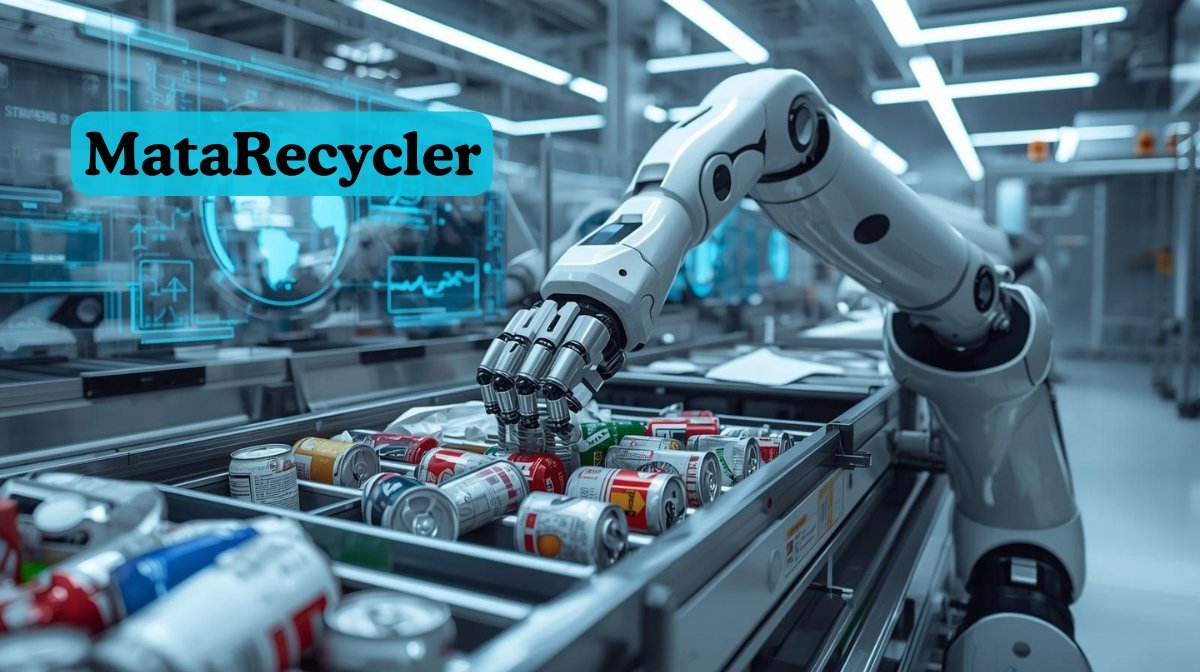
One of the most impressive features of matarecycler is its automated sorting technology. Using optical scanners, AI recognition software, and robotic arms, recycling facilities can quickly identify materials such as:
- Plastic
- Glass
- Paper
- Aluminum
- Organic waste
This technology significantly reduces contamination and ensures that materials are processed correctly.
3. Data-Driven Recycling Optimization
Another key advantage of matarecycler is its use of data analytics. Waste management systems can collect and analyze recycling data to identify patterns, improve efficiency, and reduce waste.
For example, cities can track which neighborhoods produce the most recyclable materials and adjust collection strategies accordingly.
4. Material Recovery and Reuse
Once materials are sorted, they are processed and converted into reusable raw materials. These materials can then be used in manufacturing new products, reducing the need for extracting virgin resources from the environment.
Key Benefits of MataRecycler
Adopting matarecycler offers numerous advantages for communities, governments, and businesses looking to improve their sustainability efforts.
Higher Recycling Efficiency
Traditional recycling systems often lose valuable materials due to improper sorting. Matarecycler significantly improves recovery rates by accurately identifying recyclable items.
Reduced Environmental Impact
By ensuring more materials are recycled rather than dumped in landfills, matarecycler helps reduce pollution, conserve natural resources, and lower greenhouse gas emissions.
Cost Savings for Waste Management
Automation reduces labor costs and improves operational efficiency, making recycling programs more financially sustainable.
Encouraging Sustainable Communities
Smart recycling initiatives encourage individuals and organizations to participate in eco-friendly practices, fostering a culture of environmental responsibility.
Traditional Recycling vs MataRecycler
To better understand the value of this innovative system, let’s compare traditional recycling methods with the matarecycler approach.
| Feature | Traditional Recycling | MataRecycler |
|---|---|---|
| Waste Sorting | Mostly manual | Automated with AI and sensors |
| Efficiency | Moderate | High accuracy and speed |
| Contamination Rate | Often high | Significantly reduced |
| Data Tracking | Limited | Real-time analytics and monitoring |
| Operational Costs | Higher labor costs | Lower long-term costs through automation |
| Environmental Impact | Moderate improvement | Strong sustainability benefits |
As the table shows, matarecycler offers a more advanced and efficient approach to managing waste.
The Role of Technology in Smart Recycling
Technology plays a central role in the success of matarecycler systems. Several cutting-edge innovations are making modern recycling smarter and more efficient.
Artificial Intelligence
AI-powered recognition systems can identify materials based on shape, color, and texture. This allows recycling facilities to sort waste more accurately than manual processes.
Robotics
Robotic arms can quickly pick and sort materials from conveyor belts. These robots can work continuously, improving productivity and reducing human error.
Internet of Things (IoT)
IoT technology connects smart waste bins and recycling systems to centralized networks. This allows waste management teams to monitor operations in real time.
Data Analytics
By analyzing waste generation patterns, cities and organizations can optimize recycling strategies and reduce inefficiencies.
Together, these technologies make matarecycler a powerful tool for modern waste management.
Why Smart Recycling Is Essential for the Future
The global population is expected to reach nearly 10 billion by 2050. As urbanization increases, waste production will continue to grow rapidly. Without innovative recycling solutions, the environmental consequences could be severe.
Smart recycling systems like matarecycler are essential for addressing this challenge. They allow communities to manage waste more responsibly while conserving valuable resources.
By improving recycling rates and reducing landfill waste, these systems help support the development of a circular economy—an economic model where materials are reused and recycled instead of discarded.
Real-World Applications of MataRecycler
Several industries and municipalities are already exploring smart recycling technologies similar to matarecycler. These systems are particularly useful in:
- Smart cities
- Industrial manufacturing facilities
- Large commercial complexes
- Universities and campuses
- Airports and transportation hubs
For example, smart recycling bins placed in public areas can automatically separate waste, making it easier for people to recycle correctly. Meanwhile, advanced recycling facilities can process large volumes of waste with minimal human intervention.
Challenges and Opportunities
While matarecycler offers impressive benefits, implementing smart recycling systems also comes with challenges.
Initial Investment
Advanced recycling technologies require significant upfront investment in equipment, infrastructure, and software systems.
Public Awareness
Recycling programs are most effective when communities actively participate. Educating people about proper waste disposal remains an important part of the process.
Infrastructure Development
Many regions still lack modern recycling facilities. Expanding infrastructure is necessary to fully realize the potential of smart recycling technologies.
Despite these challenges, the long-term environmental and economic benefits make matarecycler a worthwhile investment.
The Future of Sustainable Waste Management
As technology continues to evolve, recycling systems will become even more advanced. Innovations such as AI-powered waste recognition, blockchain tracking of recyclable materials, and automated recycling plants could further enhance the capabilities of systems like matarecycler.
Governments, businesses, and individuals all play an important role in supporting sustainable waste management initiatives. By adopting smarter recycling solutions, society can move closer to a future where waste is minimized and resources are used more responsibly.
Conclusion
The growing global waste crisis demands innovative solutions that go beyond traditional recycling methods. Matarecycler represents a powerful step forward in creating smarter, more efficient, and environmentally responsible waste management systems.
By combining automation, artificial intelligence, and data-driven strategies, matarecycler improves recycling accuracy, reduces environmental impact, and supports the development of sustainable communities. While challenges remain in terms of investment and infrastructure, the long-term benefits make smart recycling an essential part of the future.
As more cities and organizations adopt advanced systems like matarecycler, the vision of a cleaner planet and a circular economy becomes increasingly achievable. Sustainable waste management is no longer just an environmental goal—it is a necessary step toward building a healthier and more sustainable world.
